

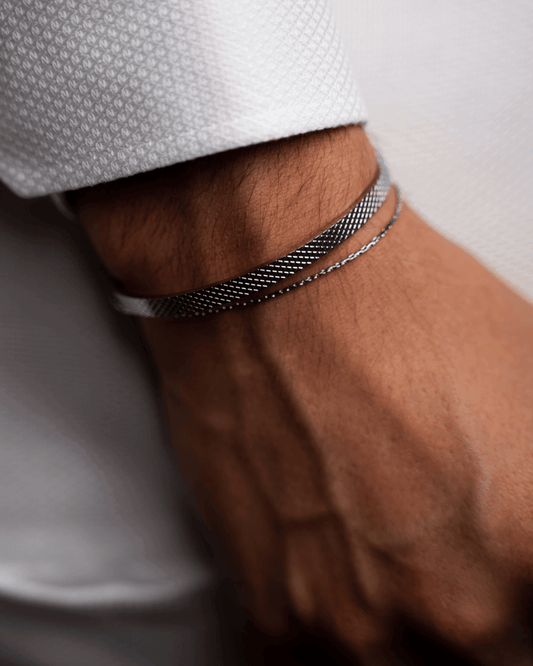

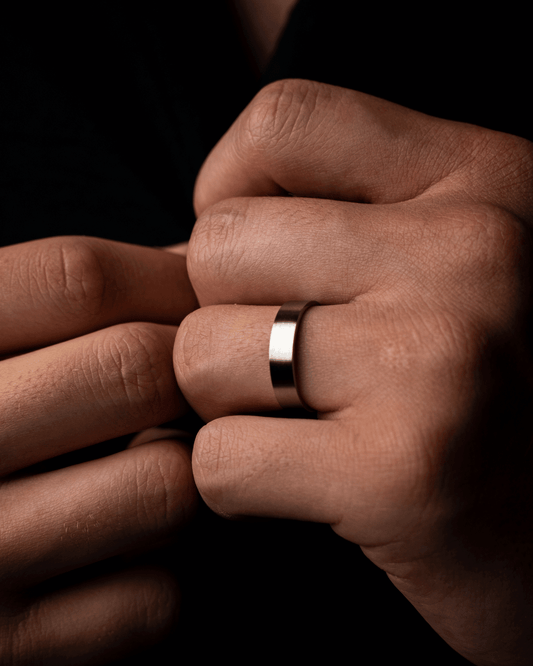

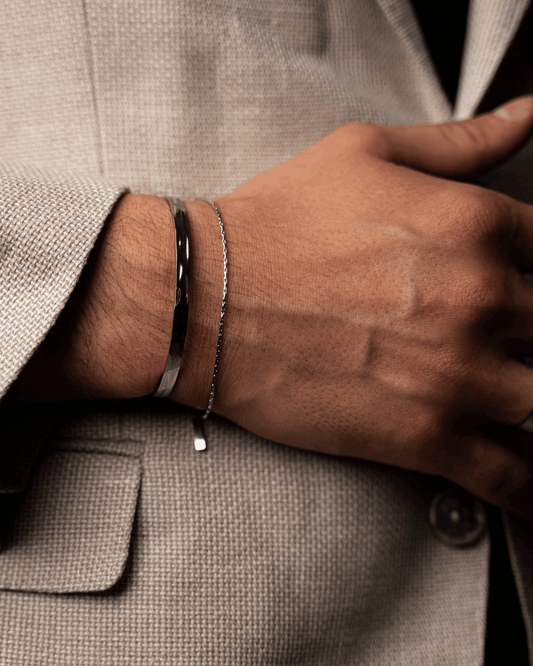

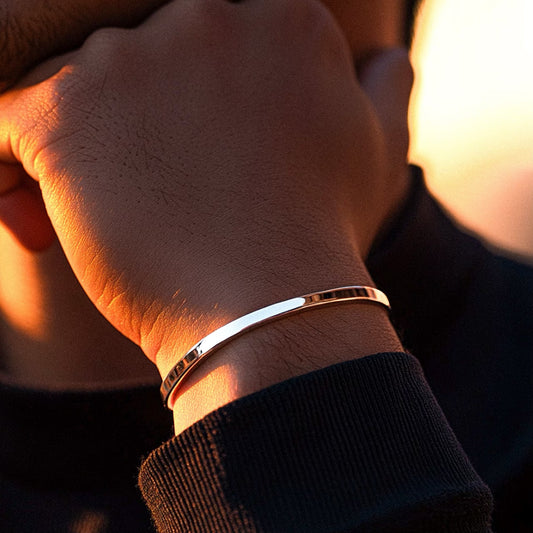
Cleaning jewelry – the ultimate guide
Cleaning jewelry can feel like a detail you easily postpone. But think about it – your rings, necklaces, and earrings are with you almost everywhere. They come with you when you quickly wash your hands, moisturize, work out, sweat, cook, and sometimes even sleep. Of course, they get dirty!
In this guide, we go through, step by step, how you can clean jewelry at home safely. You will get tips for gold, silver, pearls, gemstones, costume jewelry, and much more – without having to guess or risk damaging your favorites.
See more of our men's jewelry here!
Why is it important to clean jewelry?
Hygiene and skin health
Jewelry collects more than you think:
- Skin deposits
- Makeup and foundation
- Hairspray and styling products
- Soap and shampoo residues
- Bacteria and sometimes even mold around stones and settings
Have you ever gotten red, itchy skin under a ring or around earrings? Often it's not just the material, but a mix of moisture, dirt, and bacteria that have accumulated. By cleaning your jewelry regularly, you not only make it look nicer – you also make it fresher to wear.
Shine, durability, and value
A clean piece of jewelry not only looks better, it feels better. Dirt can dull the shine of both metal and stone, and some chemicals can eventually damage surfaces, plating, or glue joints.
If you clean your jewelry regularly:
- Keeps them looking newer and more luxurious
- Preserves the value longer
- Reduces the risk of the jewelry wearing out or getting damaged prematurely
Know your material before you start
The most important thing before you start scrubbing is simple: find out what the jewelry is made of. Different materials require different methods. The wrong method can cause scratches, dull surfaces, or damaged plating.
Gold
Gold is relatively durable but still a soft material. This means that it:
- Handles mild cleaning with water and dish soap very well
- Can be scratched by hard brushes or abrasive toothpaste
- Can bend if you apply too much force when cleaning
Solid gold vs. gold-plated
Solid gold is gold all the way through and can withstand more polishing and cleaning than gold-plated. Gold-plated, on the other hand, only has a thin layer of gold over another metal. If you scrub too hard or use the wrong products, the plating can wear off and the base metal will be exposed.
Silver
Silver tends to darken over time – this is called oxidation or tarnish. It looks dull, but it doesn't mean the jewelry is ruined. With the right method, you can make it shine like new. However, rough cleaning can cause scratches that are hard to remove.
Gemstones (diamond, sapphire, emerald, etc.)
Gemstones have different hardness and sensitivity:
- Hard stones like diamond, sapphire, and ruby generally withstand mild cleaning well.
- More sensitive stones like emerald, opal, turquoise, and moonstone can be damaged by strong chemicals or temperature shocks.
That’s why it’s important to know what type of stone you have before you dip it in anything.
Pearls and other organic materials
Pearls are a bit like the divas of the jewelry box – beautiful but delicate. They are porous, like the skin’s natural oils but hate perfume, hairspray, alcohol-based products, and strong cleaners. They can dry out, become dull, and crack if treated incorrectly.
Stainless steel, titanium, and costume jewelry
Stainless steel and titanium are durable and good for everyday jewelry, often easy to clean. Costume jewelry and fashion jewelry, however, may be plated or contain nickel, making them more sensitive to water, sweat, and harsh cleaning. You should be extra careful with those.
Preparations before you clean jewelry
Check the jewelry – settings, clasps, and cracks
Before you put anything in water or start brushing, it’s smart to do a quick check:
- Do you see loose stones or gaps in the setting?
- Are there cracks in the metal?
- Is the clasp intact and working as it should?
If something feels loose or damaged, it’s better to go directly to a jeweler. Otherwise, there is a risk that a stone will fall straight down the drain – and that’s a story you’d rather avoid.
Tools and products you can use at home
Here is a simple "jewelry cleaning kit" you can make at home:
- A small bowl of lukewarm water
- Mild dish soap (without bleach or strong perfume)
- A soft toothbrush or small jewelry brush
- A soft cotton or microfiber cloth
- Possibly baking soda and aluminum foil for silver
Avoid:
- Coarse scrubbing brush
- Abrasive toothpaste
- Chlorine, strong bleach, or aggressive bathroom sprays
Cleaning gold jewelry step by step
Simple soap and water method
This method works for most gold jewelry without sensitive stones:
- Fill a bowl with lukewarm water.
- Add a few drops of mild dish soap and stir.
- Place the jewelry and let it sit for 10–20 minutes.
- Take out one piece of jewelry at a time and gently brush with a soft toothbrush, especially under stones and in small crevices.
- Rinse under running lukewarm water (hold the jewelry firmly!).
- Dry with a soft cloth and let air dry completely before putting the jewelry back in the box.
Better to clean a little and often than rarely and harshly – this is especially true for fine gold jewelry.
Deeper cleaning for heavy dirt
If the ring or chain feels really "dull," you can:
- Let the jewelry soak longer in the soapy water.
- Repeat the brushing several times.
- Use a jewelry cleaning solution purchased from a jeweler, but follow the instructions carefully.
Avoid strong homemade mixtures like ammonia unless you know exactly what the jewelry can tolerate.
When you should hand over the gold to professionals
Take it to a jeweler if:
- The jewelry has valuable or large stones.
- You see cracks, bent prongs or loose settings.
- It is an heirloom or extra expensive piece of jewelry.
- You want polishing and a truly mirror-like surface.
Clean silver jewelry and remove oxidation
Gentle cleaning for light dirt
For silver jewelry that is only lightly dirty:
- Mix lukewarm water with a few drops of dish soap.
- Place the jewelry in and let it sit for 5–10 minutes.
- Brush gently with a soft brush.
- Rinse carefully and dry with a soft cloth.
Home remedy for tarnished silver
When the silver has turned dark or almost black, you can try a classic method:
- Line the bottom of a bowl with aluminum foil, shiny side up.
- Place the silver jewelry so that it contacts the foil.
- Sprinkle over baking soda and a little salt.
- Pour on very hot water (not boiling if the jewelry has stones).
- Let sit for 2–5 minutes. It may bubble and smell slightly of sulfur.
- Pick up the jewelry, rinse and dry thoroughly.
The oxidation "migrates" from the silver to the foil – it almost looks like a little magic trick.
What you absolutely should not do with silver
Avoid:
- Toothpaste – it is abrasive and can cause scratches.
- Lemon juice + salt – can corrode and damage the surface.
- Coarse polishing with hard cloths or sponges.
- Ultrasonic cleaner on silver jewelry with stones or glued parts.
Cleaning jewelry with gemstones
Hard stones – diamond, sapphire, ruby
Hard stones are often easier to clean:
- Mix lukewarm water with a little dish soap.
- Place the jewelry in the bowl for a few minutes.
- Brush gently, especially on the underside of the stone.
- Rinse thoroughly and dry gently.
Much of the dullness on diamonds is due to lotion, soap residue, and grease – after cleaning, they usually sparkle again.
Sensitive stones – opal, moonstone, turquoise, etc.
Extra caution is needed here. These stones can:
- Crack from rapid temperature changes
- Become dull from strong chemicals
- Damage from ultrasound or steam cleaning
Preferably use only:
- Lots of lukewarm water
- A little mild dish soap
- A very soft cloth instead of a brush
If you are unsure what the jewelry can tolerate – let a jeweler do the job.
Cleaning pearls and other delicate jewelry
How to care for pearl necklaces
Pearl necklaces should never be soaked. The thread holding the pearls can swell, stretch, and eventually break.
- Gently wipe the pearls with a soft, lightly dampened cloth after use.
- Let them dry completely flat before putting them away.
- Store them separately from other jewelry to avoid scratches.
A good tip is to put on your pearls last after you have finished getting ready – after perfume, hairspray, and makeup.
Organic materials such as coral, amber, and shells
These materials are also sensitive to strong agents:
- Clean with a lightly dampened, soft cloth.
- Avoid alcohol, perfumes, and strong chemicals.
- Protect from prolonged direct sunlight, which can fade the color.
Cleaning engagement and wedding rings
Home routine for daily/weekly cleaning
Engagement and wedding rings are often worn every day and quickly become dirty. A simple routine can make a big difference:
- Rinse the ring briefly in lukewarm water after hand washing.
- Once a week: quick cleaning with water + dish soap and a soft brush.
- Always dry the ring thoroughly before putting it back on.
When you should always take off the ring
To keep the ring looking nice longer, it’s smart to take it off when you:
- Washing dishes or cleaning with strong agents
- Exercising heavily or lifting weights
- Swimming in pools (chlorine) or hot tubs
- Applying very rich cream on your hands
Cleaning costume jewelry and "fake" jewelry
How to reduce the risk of discoloration
Costume jewelry is often plated or made of simpler metals that easily discolor. To make them last longer:
- Take them off before showering, exercising, or swimming.
- Avoid perfume and hairspray directly on the jewelry.
- Store them dry and preferably in small bags or boxes.
Safe cleaning for plated jewelry
Clean gently:
- Use a lightly damp soft cloth with a drop of mild dish soap.
- Dry immediately after cleaning.
- Avoid soaking and hard scrubbing – the plating may come off.
Ultrasonic cleaners for jewelry – good or bad?
When ultrasound can be a good choice
Ultrasonic cleaners can be effective for:
- Solid gold without sensitive stones
- Simple silver jewelry without glued parts
- Hard stones like diamond, sapphire, and ruby (if the setting is stable)
Risks and when to avoid it
Avoid ultrasound if the jewelry:
- Has softer stones (e.g., opal, emerald, turquoise).
- Has glued parts (e.g., certain pearls or jewelry with inlaid details).
- Is old, fragile, or has loose settings.
Common mistakes when cleaning jewelry
Too strong chemicals
One of the most common mistakes is thinking "the stronger, the better." Unfortunately, the opposite applies to jewelry. Chlorine, bleach, ammonia, and aggressive bathroom cleaners can:
- Corrode the metal
- Damage stones
- Dissolve glue
Wrong brush, wrong cloth, wrong method
Hard brushes, green scouring sponges, or abrasive toothpaste can cause microscopic scratches that make the jewelry look dull and boring. Always opt for:
- Soft toothbrush
- Soft microfiber or cotton cloth
- Mild agents and patience
Storage and daily care for clean jewelry
How to store different materials
Storage plays a big role in how long jewelry stays beautiful:
- Store silver in airtight bags or boxes to reduce oxidation.
- Separate jewelry so they do not scratch each other, especially stones against soft metals.
- Store pearls separately, preferably in a cloth bag.
Small everyday habits that make a big difference
A few simple routines:
- Take off jewelry before showering, exercising, or bathing.
- Put on jewelry last after you have done your makeup and styled yourself.
- Quickly wipe favorite jewelry with a soft cloth now and then.
When should you go to a jeweler?
Signs that the jewelry needs professional care
Get help from a jeweler if you notice:
- That a stone is loose or spins in the setting.
- Deep scratches or dents in the metal.
- That a bracelet or necklace feels weak in the links.
- That you do not dare to clean yourself, e.g. due to high value or age.
A professional check-up can include cleaning, polishing, and safety inspection – like a “service” for your jewelry.
Conclusion – how to keep your jewelry beautiful for a long time
Cleaning jewelry is not just about making them sparkle temporarily, but about extending their lifespan and making them comfortable to wear. With some knowledge about materials, a few simple tools, and regular small routines, you can keep both everyday jewelry and heirlooms in top condition.
Remember:
- Know your material before you start.
- Use mild agents and soft tools.
- Clean often and gently rather than rarely and harshly.
- Don’t hesitate to take it to a jeweler if you’re unsure.
Your jewelry often tells a story – about you, about someone you love, or about a special occasion. Taking care of them is an easy way to let those stories live on, shining a little extra.
FAQ – common questions about cleaning jewelry
1. How often should I clean my jewelry?
If you wear the jewelry every day, e.g., an engagement ring, a light cleaning every week or every other week is appropriate. Jewelry you only wear occasionally can be cleaned when it looks dirty or dull.
2. Can I shower with my jewelry on?
It is not optimal. Soap, shampoo, conditioner, and warm water can affect both metals and stones over time, and make the jewelry duller. For costume jewelry, showering and bathing is almost always a bad idea.
3. Is toothpaste good for polishing jewelry?
No, avoid toothpaste. It is abrasive and can scratch metals and stones. Instead, use mild dish soap, special jewelry cloths, or recommended cleaning agents for jewelry.
4. What do I do if a stone is loose?
Stop using the jewelry immediately and place it in a safe spot. Do not try to bend the setting yourself. Instead, go to a jeweler who can check and reinforce the setting.
5. Can I use the same method for all jewelry?
Unfortunately not. Gold, silver, pearls, gemstones, costume jewelry, and organic materials require different methods. The safest approach is always to first identify the material and then tailor the cleaning accordingly.


